
I’ve Seen the Impact of Addiction, Personally and Professionally.
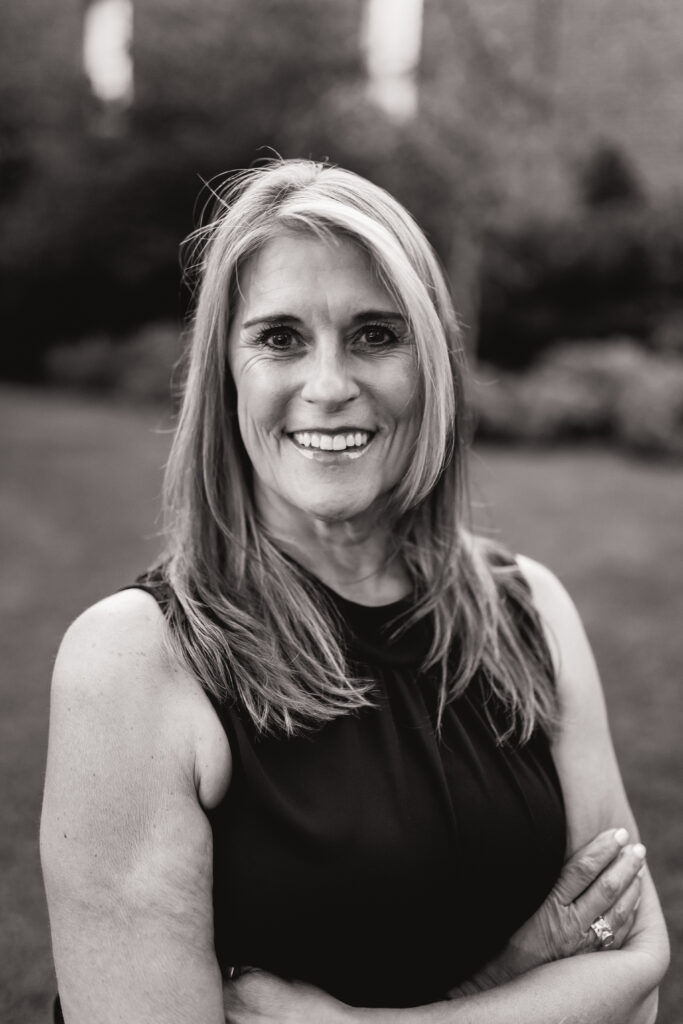
Long before Dr. Shauna worked professionally in mental health and addiction recovery, addiction had already profoundly shaped her life.
Those experiences eventually influenced a decades-long career helping others navigate mental health, trauma, behavioral change, and recovery, and a philosophy built around the belief that our hardest chapters do not have to become our permanent identity.
Her Story
Shauna’s father returned from the Korean War struggling with heroin addiction. When Shauna was 17 years old, he died from an overdose.
Years later, addiction touched her family again when her brother struggled with methamphetamine addiction. He died at 46 following an overdose, with Shauna involved in the heartbreaking decisions surrounding the end of his life.
Those experiences could have defined Shauna’s relationship with addiction.
Instead, they became part of what drove her to understand it and change her identity to not fall into the same coping skills. Dr. Shauna not only has the personal experience of changing her identity as well as the professional education and experience to assist others seeking this same path.
Dr. Shauna also served in the Army Reserves before building a career in mental health. Her first professional experience included working in drug rehabilitation. She later spent nearly 30 years working in the non-profit sector of foster care before eventually finding herself back in addiction treatment, this time working with military veterans.
And there, something began to bother her.
The recovery conversation often seemed to revolve around what people should not do:
Don’t drink.
Don’t use.
Avoid the trigger.
Follow the steps.
Dr. Shauna began asking a different question:
What are we helping people build instead? Are we allowing people to actually change from their past and no longer identify as their past?
If you are interested in working with Dr. Shauna and learn more about her private practice. Visit her Private Practice here to explore and check her availability.
What Comes After “I AM” Matters.
While working with veterans in recovery, Shauna began incorporating simple coping statements and intentional I AM statements into her work.
Instead of only asking someone to resist an unhealthy behavior, the practice asked them to intentionally reinforce something different:
I AM worthy.
I AM capable.
I AM resilient.
I AM safe.
One experience stayed with her.
A client abruptly left treatment, leaving behind clothing, workbooks, and other belongings.
But he took his coping cards. Created by Dr. Shauna for the residents, these cards acted as a portable toolbelt of intentional mantras. These mantras provided the short, clear instructions the brain desperately needs during high-stress moments to regain control from the impulse to fall back into unhealthy coping habits.
For Dr. Shauna, it reinforced a vital truth: people rarely need more information in high-stress moments. Instead, they need quick, intentional mantras. Change the thought—change the pattern.
That insight would eventually help inspire the book: Upward Spiral to Sobriety.
Recovery Without Making Addiction Your Identity.
Dr. Shauna does not believe someone’s history with addiction must become the identity they carry forever.
Instead of:
“I am an addict.”
Her work asks:
“Who am I becoming?” Who can I permanently change to?
Can I move past an identity of being an addict?
This is not about ignoring the past or pretending recovery is simple.
The Upward Spiral highlights another path to recovery and provides practical tools to help people intentionally build healthier thoughts, coping strategies, and behaviors.